






To implement the core philosophy of The Third Ministry of Education (Medium-to-Long Term) Plan for Aesthetic Education, “Aesthetics is life: So we must introduce children to aesthetics from a young age; root aesthetics in our lives; embrace local and international aesthetics; and embrace sustainable practices”, the Ministry of Education (hereinafter referred to as “MOE”) has commissioned the National University of Tainan to conduct The Early Childhood Aesthetics Education Cornerstone Project.

Eastern gouache painting—jiaocaihua—was first introduced into Taiwan during the Japanese colonial era. This type of painting, which uses polychrome Asian gouache, has been variously referred to as nihonga (“Japanese-style painting”), toyoga (“oriental painting”), guohua (“Chinese painting”), and jiaocaihua (literally “glue-color painting”). These names are often politically charged, reflecting the specific social and cultural contexts in which they were used.
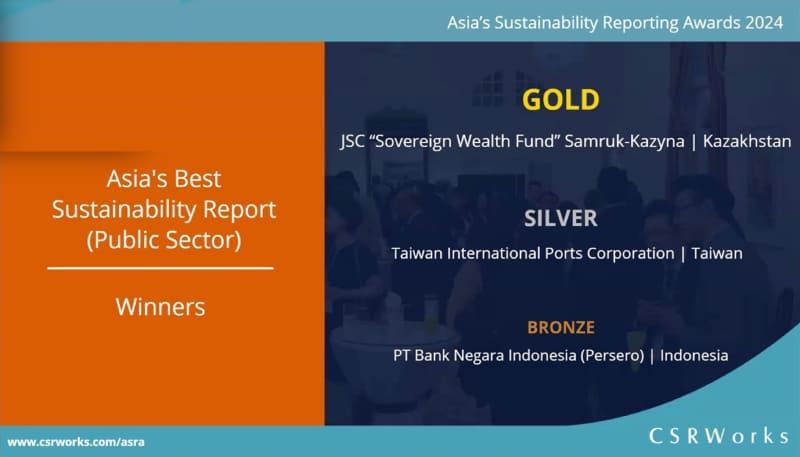
The 2023 ESG report released by the Taiwan International Ports Corporation (TIPC), after submission to the Singapore-based Asia Sustainability Reporting Awards (ASRA), has been honored with the ASRA Asia’s Best Sustainability Report (Public Sector) Silver Award. This internationally prestigious award gives important recognition to TIPC’s ongoing efforts in the realm of sustainability and represents an important milestone in the company’s work to achieve sustainable operations.

The Ministry of Economic Affairs staged Taiwan Select April 23 in Taipei City to respond to challenges brought by the U.S.’ recent tariff policy and the restructuring of global supply chains.

The April 23 remarks by a U.S. representative at a U.N. Security Council meeting calling out China’s distortion of UNGA Res. 2758 is sincerely appreciated by the government and people of Taiwan, the Ministry of Foreign Affairs said April 24.

Proprietors cart load after load of goods into their shops, while out-of-towners stroll about at their leisure, tracing out a timeless scene in the oldest urban neighborhoods throughout Taiwan. The shophouses that remind us so much of the olden days when these neighborhoods were first built are certainly simple and unadorned in comparison with modern architecture, yet their historical significance is remarkable nonetheless.


